CONFERENCE PHOTOGRAPHY
Conference photography is very different from general event coverage. A conference is not simply a gathering of people in a room. It is a structured program where ideas, leadership, and professional expertise are presented to a focused audience.
Keynote speakers present strategic insights. Panels bring together multiple perspectives. Breakout sessions allow deeper conversations within specific fields. Sponsors and partners use conferences to strengthen relationships and visibility.
Professional conference photography captures this entire ecosystem, not only the atmosphere of the event, but the substance of what takes place. The images must reflect the authority of the speakers, the engagement of the audience, and the scale of the program itself.
Organizations rely on conference photography for much more than promotional use. Images become part of internal archives, annual reports, future marketing campaigns, and speaker portfolios. In many cases they are also used to secure sponsors and participants for future conferences.
When conference photography is done correctly, it feels almost invisible during the program, yet becomes an essential asset immediately after the event concludes.
CONFERENCE PHOTOGRAPHY GALLERIES
Conference photography galleries provide a visual reference for how conferences are documented in real conditions. The images shown here illustrate different aspects of professional conference coverage, including speakers on stage, panel discussions, audience engagement, and the overall atmosphere of multi-session events.
These examples are intended to demonstrate consistency, clarity, and coverage approach rather than highlight a single moment. Conference photography is about accurately representing the structure, scale, and experience of an event, allowing organizers to use the images confidently for post-event communication, reporting, and promotion.
NAPO Conference
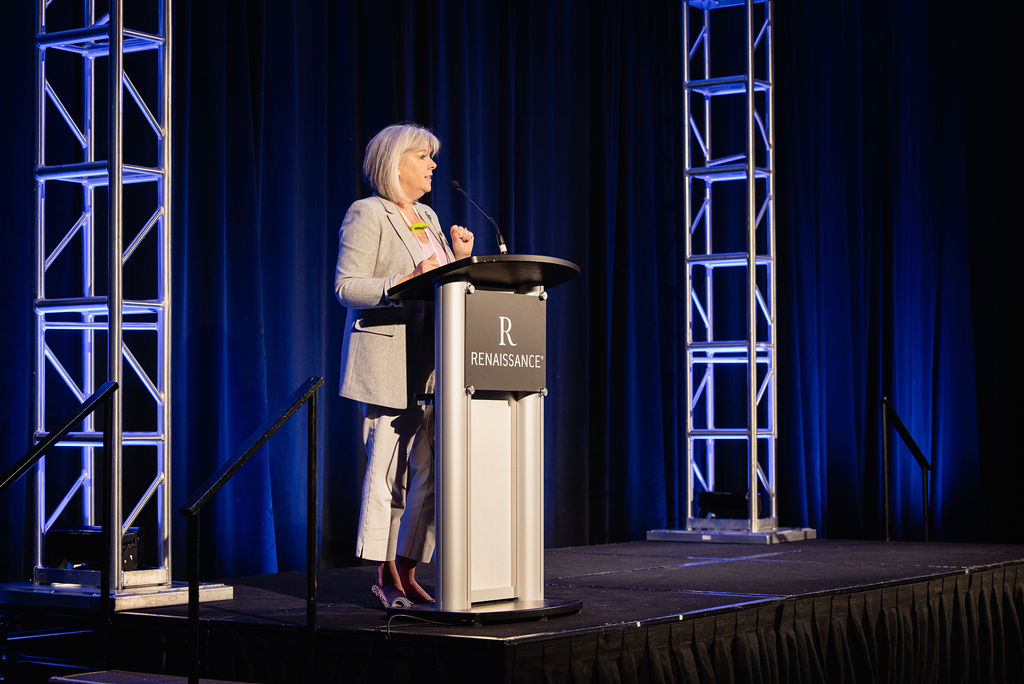
Symposium on Digital Trust
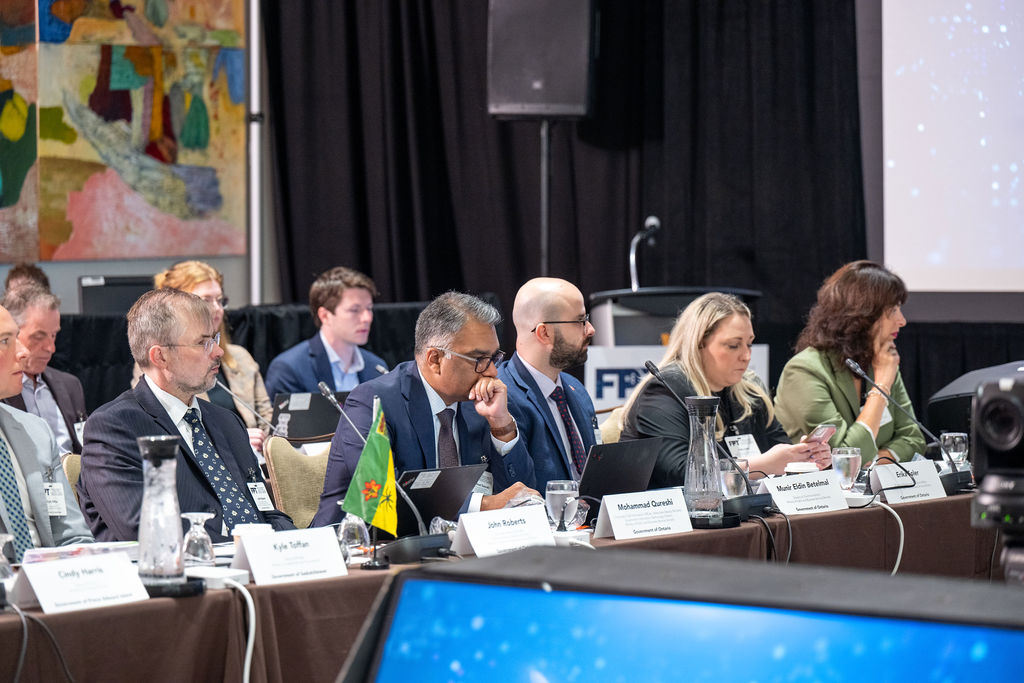
Women in Pediatrics

POLLSTAR

IMPACT SUMMIT AMERICA

The Video Show Convention

Business Council of Alberta

KIDSCREEN SUMMIT

BUNKER LABS

WHAT CONFERENCE PHOTOGRAPHY ACTUALLY INCLUDES
A professional conference photographer documents multiple types of sessions and program moments throughout the day.
Keynote presentations are often the most important segment of a conference. These moments require precise timing and strong composition. The goal is to capture authority, clarity, and presence rather than simply a person standing at a podium.
Panel discussions require constant attention shifts between speakers. A professional conference photographer anticipates when each participant begins speaking, captures reactions between panelists, and maintains visual balance so every participant is represented clearly.
Breakout sessions demand a slightly different approach. These rooms are often smaller, lighting may be inconsistent, and presentation slides must remain readable in the final images. The result should still feel cohesive with the rest of the conference gallery.
Networking and sponsor activations are also important elements of conference photography. Sponsors rely on these images to demonstrate visibility and engagement. Clean compositions that include branding elements without visual clutter are essential.
A professional conference photography gallery typically includes keynote moments, panel discussions, audience engagement, networking interactions, sponsor presence, and the overall scale of the event environment.
WHY PROFESSIONAL CONFERENCE PHOTOGRAPHY MATTERS
Conferences are complex productions that require months of planning. Speakers travel from different regions, sponsors invest resources, and organizations dedicate time to designing a meaningful program.
Without proper documentation, much of that effort disappears once the event concludes.
Professional conference photography ensures that the knowledge exchange, leadership presence, and audience engagement remain visible long after the conference ends.
Marketing teams use the images to promote future conferences and attract new attendees. Sponsors rely on them to demonstrate brand exposure. Speakers often use conference photographs for their own websites, presentations, and press coverage.
A strong conference photography gallery communicates credibility. It shows that the event was organized, well attended, and professionally executed.
In competitive industries such as finance, technology, healthcare, and consulting, these visual records can play an important role in how conferences are perceived by the broader professional community.
WHY ORGANIZERS HIRE A CONFERENCE PHOTOGRAPHER
Organizing a conference requires months of preparation. Speakers travel from different cities, sponsors invest in visibility, and teams work carefully to build an agenda that delivers real value to attendees. Once the conference begins, everything moves quickly, sessions follow each other without pause, and important moments can pass in seconds. Hiring a professional conference photographer ensures those moments are preserved clearly and reliably.
A conference photographer understands how conferences actually function. Keynote sessions require timing and compositional discipline so the speaker appears confident and authoritative. Panel discussions require attention to multiple participants, capturing both the person speaking and the reactions of other panelists. Breakout sessions demand careful exposure so presentation screens remain readable while the speaker remains naturally lit.
Professional conference photography also helps organizations extend the life of the event. Marketing teams use conference images to promote future conferences and attract new attendees. Sponsors often rely on photographs to demonstrate their presence at the event. Speakers frequently request images for their own websites, media coverage, and professional profiles.
Another reason organizers hire a conference photographer is consistency. Conferences often take place across several rooms with very different lighting conditions. Ballrooms, breakout rooms, and expo areas rarely share the same visual environment. A professional conference photographer continuously manages exposure and color balance so the final gallery looks cohesive and professional rather than fragmented.
Perhaps most importantly, conference photography provides a visual archive of the program itself. Months after the event, organizers may need images for reports, internal presentations, sponsor follow ups, or next year’s conference announcement. When conference photography is done well, the images remain useful long after the event day ends.
For organizations that invest significant resources into producing conferences, hiring a professional conference photographer ensures that the knowledge, leadership, and energy of the event are documented with the clarity and credibility the program deserves.
PLANNING CONFERENCE PHOTOGRAPHY AROUND THE AGENDA
The most effective conference photography begins before the event day.
A conference agenda is more than a schedule. It defines which sessions carry the greatest significance and where photographic attention should be focused.
Keynotes often represent the core message of the conference and must be documented carefully. Panels featuring industry leaders or executive speakers may require continuous coverage. Sponsor presentations or award ceremonies can also carry strategic importance.
Multi-track conferences introduce additional complexity. When several sessions occur simultaneously, priorities must be established in advance to ensure that the most important sessions receive uninterrupted coverage.
Professional conference photographers review the agenda with organizers before the event begins. This preparation allows the coverage plan to align with the structure of the conference itself.
Even when schedules shift, speakers run over time, or rooms change unexpectedly, the most important sessions remain protected.
HIGHLIGHT GALLERY AND COMPLETE CONFERENCE DOCUMENTATION
Conference organizers usually require two types of photographic deliverables.
The first is a highlight gallery. This curated selection of images represents the overall experience of the conference. It shows keynote speakers, engaged audiences, sponsor visibility, and the scale of the event.
Highlight galleries are typically used for marketing, social media, press announcements, and promotional material for future conferences.
The second deliverable is complete documentation of the conference program. This archive preserves the key sessions in a structured and consistent format.
Panels, presentations, and awards are recorded clearly so they can be referenced later by internal teams, speakers, and organizational leadership.
Many conferences benefit from having both formats. A highlight gallery communicates energy and engagement, while the full archive preserves the program itself.
MANAGING LIGHTING AND VENUE CONDITIONS
Conference venues introduce a wide range of lighting environments.
Ballrooms may rely on stage lighting combined with chandeliers. Breakout rooms often depend on overhead fixtures. Expo halls frequently contain large LED screens that shift color balance across the room.
Professional conference photographers must constantly adjust exposure and white balance so that the final gallery appears cohesive.
Speakers must look natural and well lit. Presentation screens should remain readable without overpowering the speaker. Audience reactions must still feel authentic.
The goal is visual consistency across rooms that may have been designed with entirely different lighting systems.
This attention to technical detail ensures that the final conference photography gallery feels unified rather than fragmented.
COMMON CHALLENGES IN CONFERENCE COVERAGE
Several challenges frequently arise during conference photography.
Schedule overlap can cause critical sessions to occur simultaneously. Without a defined priority structure, important moments may be missed.
Lighting inconsistencies can produce images that look disconnected from one another. Conference galleries should feel like a single event rather than a collection of unrelated rooms.
Another challenge involves excessive editing. Conference photography should preserve authority and realism. Heavy stylistic processing can make images appear artificial or overly dramatic.
Professional conference photographers manage these challenges through preparation, disciplined execution, and a clear understanding of the conference agenda.
PROFESSIONAL CONFERENCE PHOTOGRAPHER SERVICES
Professional conference photographer services are designed to support the full structure of modern conferences.
Coverage typically includes keynote presentations, panel discussions, breakout sessions, sponsor activations, networking interactions, and overall event documentation.
Large conferences may also require multi-track coverage, additional photographers, and structured image delivery systems that allow marketing teams and internal departments to access files quickly.
Conference photography services often include same-day highlight selections for social media or press distribution, as well as a complete edited archive delivered after the event.
The goal is to create a reliable visual record that supports both immediate communication and long-term organizational use.
CONFERENCE PHOTOGRAPHY SERVICES BY REGION
Conference photography services are provided across several regions to support conferences of different scales and locations.
For conferences held in New York City, including Midtown Manhattan hotels, the Javits Center, and major corporate venues, visit:
For conferences hosted in corporate campuses, universities, and regional conference centers throughout the state, visit:
Conference Photographer New Jersey
For leadership retreats, association meetings, and destination conferences in scenic venues north of the city, visit:
Conference Photographer Hudson Valley
Each regional page provides additional details about venue logistics, conference environments, and coverage considerations specific to those locations.
PROFESSIONAL CONFERENCE PHOTOGRAPHY FOR MODERN EVENTS
Conferences today play an important role in professional communities. They bring together leaders, researchers, executives, and industry specialists to exchange ideas and build relationships.
Professional conference photography ensures that these moments are preserved accurately and presented clearly.
A well-executed conference gallery communicates authority, engagement, and organizational credibility. It allows conferences to extend their impact far beyond the event itself.
From keynote speakers addressing a full auditorium to small breakout discussions where ideas are explored in depth, every element contributes to the story of the conference.
When documented with precision and consistency, these images become valuable assets for organizers, sponsors, speakers, and participants alike.